Setting

A room for dinner, conversation and the table.

The Grand Hearth is an Australian restaurant where the menu story gives an evening its dining anchor, while the restaurant setting makes room for conversation and presence. Its card room, Texas Hold’em tournaments, high roller evenings and poker tables belong to the same editorial world, yet each poker experience happens face to face at physical on-site tables. This is a place to consider the meal, the room and the shared attention of an in-person table.

Contact Us
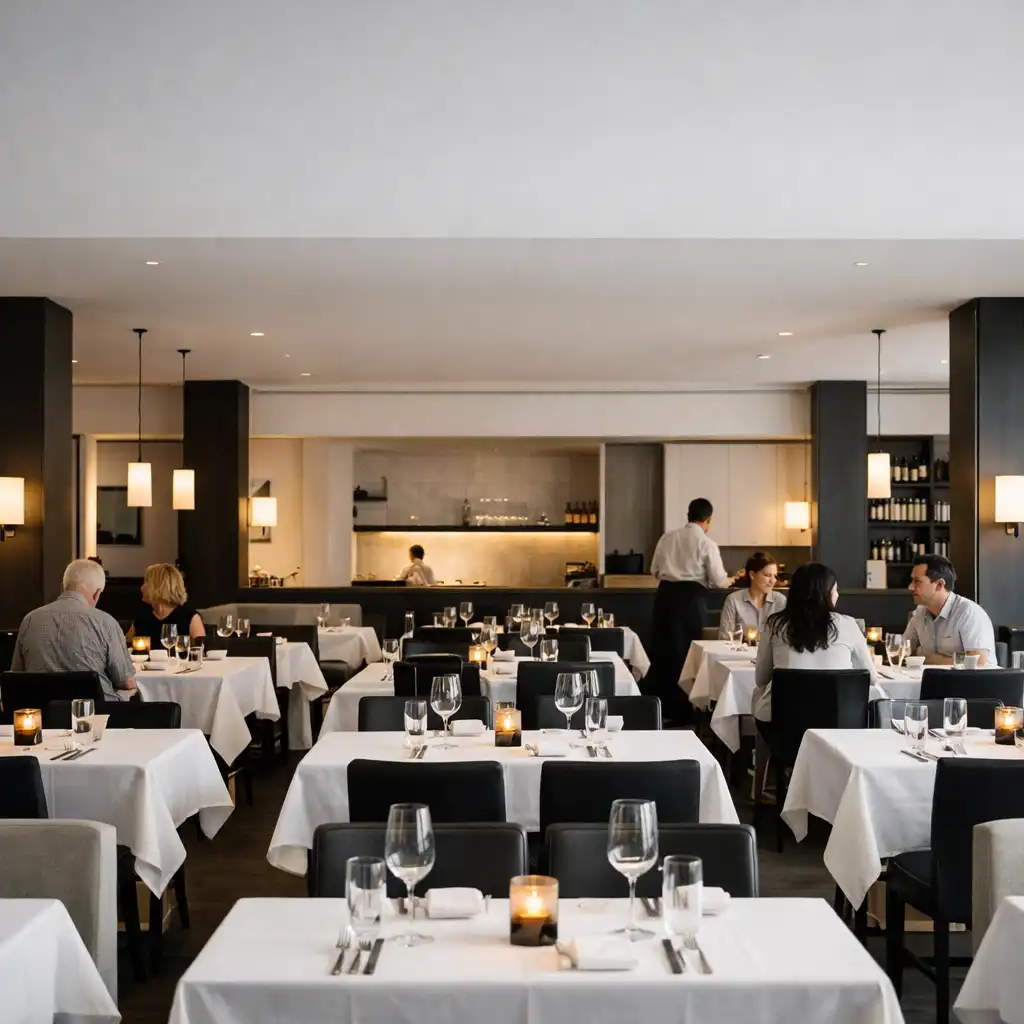
Dining room at The Grand Hearth with tables and guests in conversation
The room

The room’s first rhythm

01

Arrival sets the tone

Arrival is a chance to settle into a restaurant shaped by the hearth idea: a centre for meeting, gathering and giving an evening its first measure. The Grand Hearth approaches that moment with architectural calm rather than spectacle. The room invites guests to take stock of the table, the company and the conversation already beginning, leaving enough space for a visit to develop at its own unhurried pace.

02

The menu holds the centre

The Menu Story provides the dining chapter of the setting. It keeps the meal in view as an intentional social rhythm: people arriving, sharing time and finding a common point of attention before the evening moves elsewhere. Rather than reducing dinner to a transaction, the menu story frames the table as a place for exchange, allowing food and conversation to establish the character of the visit.

03

Conversation remains visible

That face-to-face energy continues around physical poker tables on site. Cards are handled in the room, attention passes between people at the table, and conversation remains part of the atmosphere. The card-room culture is distinct from dining, but it shares the same respect for presence and table etiquette. Nothing here is remote: the occasion is grounded in people sitting together, observing the room and taking part in a real table experience.
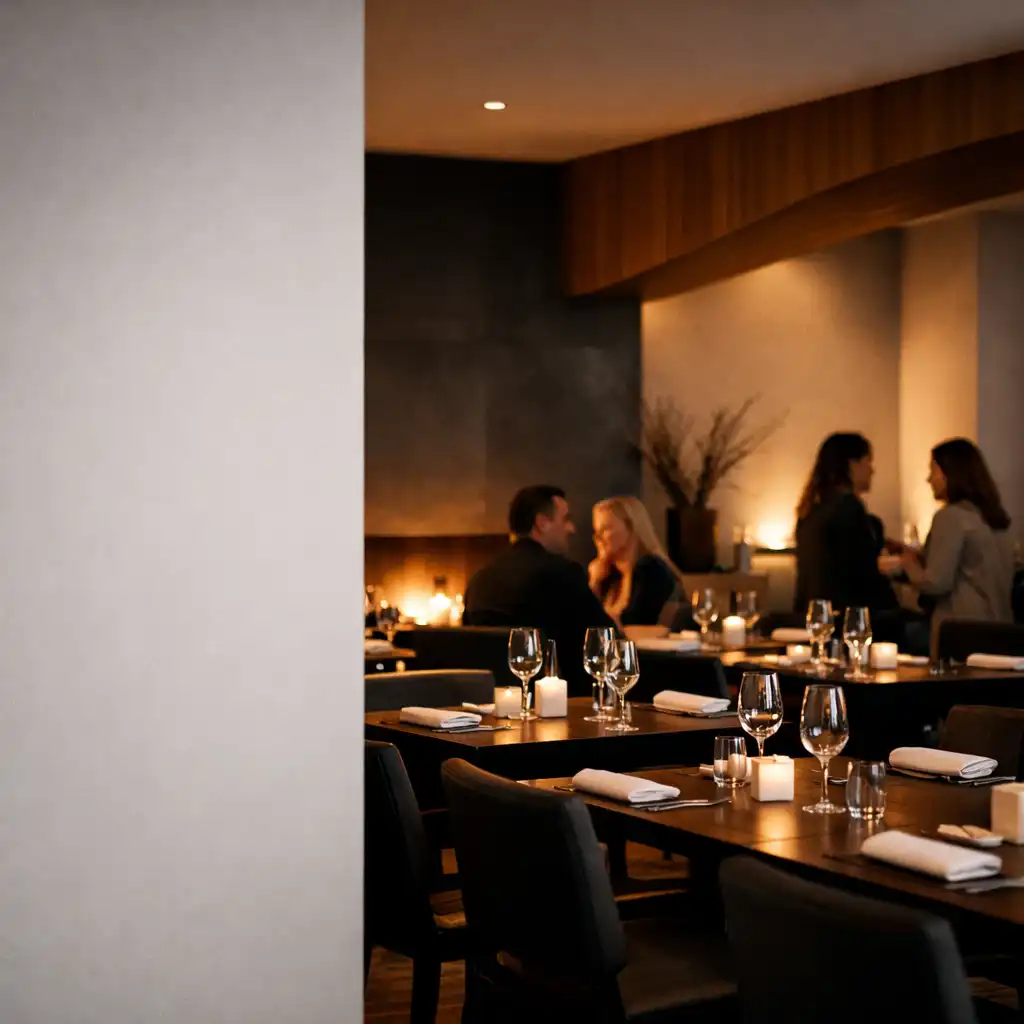
Wide view across The Grand Hearth dining room prepared for an evening
Dining room context for an evening at The Grand Hearth.
Field note

A setting built around attention

A room can be read through the attention it permits. At The Grand Hearth, the restaurant setting is approached as a clear field for dining, shared tables and conversation: a context in which guests can remain present with one another rather than hurried through a sequence. The editorial rhythm is deliberately measured. Dining has its own place and purpose, while the wider venue can hold a second kind of concentration without confusing the two. The result is a hospitality setting where being in the room matters as much as the reason for arriving.

Card room

The card room, kept physical

The card room is The Grand Hearth’s dedicated context for physical, face-to-face table play. It is a place of focus, etiquette and observation, held on site at real tables rather than at a distance. The room gives poker its own atmosphere within the wider restaurant setting: guests can recognise the different tempo of a shared table while remaining connected to the same hospitality-minded venue. Its purpose is clear and tangible—people meeting in person around cards, chips and a table.

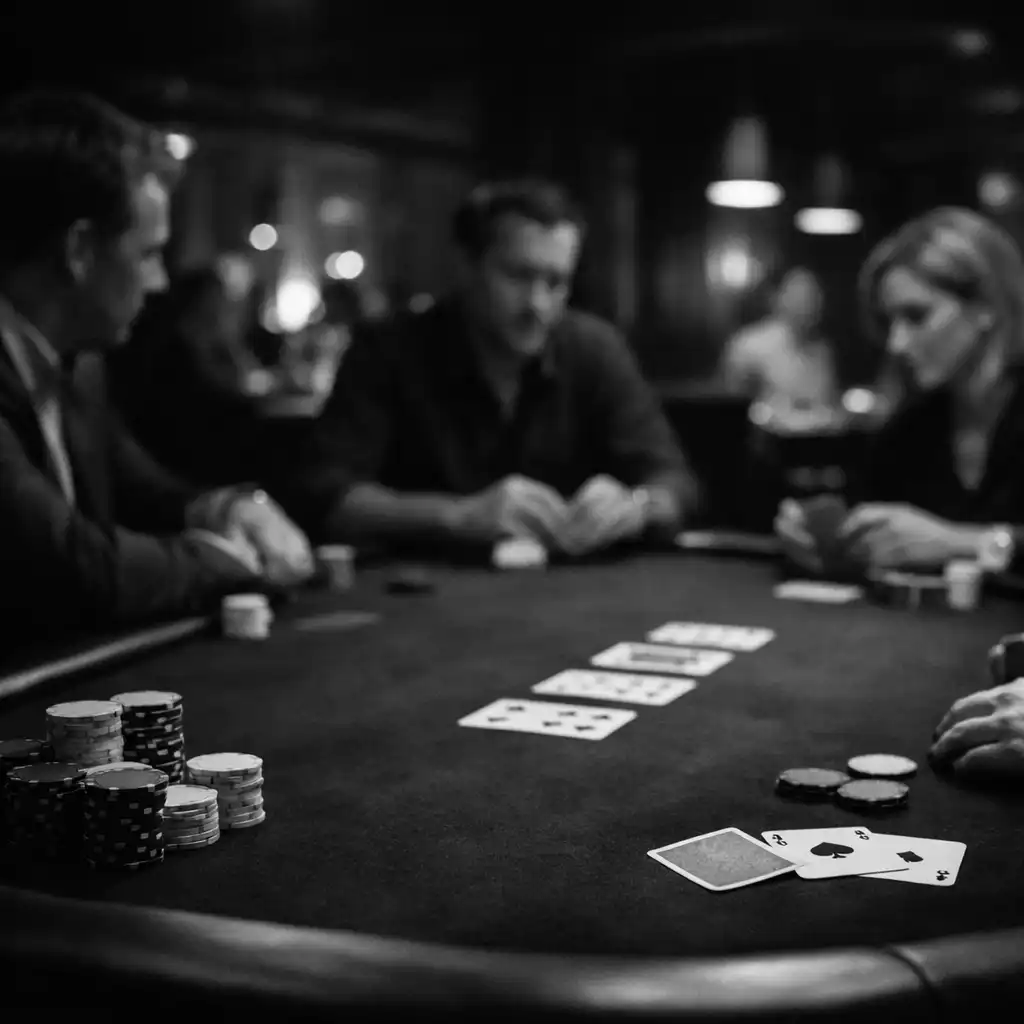
People seated at a physical poker table in The Grand Hearth card room

A table asks for attention

Seats, cards, chips and people occupy the same table in the same room. That immediate arrangement gives the experience its character: hands move across a real surface, participants read the moment together, and concentration is shared without losing the human presence of the table.

Restaurant rhythm, card-room focus

Dining conversation and card-room concentration have different tempos, and visitors can meet each on their own terms. Both remain grounded in hospitality and the physical venue. For the dedicated editorial view, visit The Card Room.

On-site formats

Three on-site table formats

These formats are an orientation to occasions held at physical on-site tables, each with its own rhythm and room focus. They are not a schedule or a promise of availability. They simply name the different ways The Grand Hearth’s in-person card culture is considered across its editorial pages, with fuller context available through each dedicated route.

01

Texas Hold’em tournaments

Texas Hold’em tournaments are structured, in-person occasions that bring participants together around physical tables in the card-room setting. The emphasis is on shared concentration, a clear sense of occasion and the etiquette that comes from being present with others at the table.

02

High roller evenings

High roller evenings describe a focused, hosted physical table atmosphere within the restaurant’s wider evening setting. The name signals a particular card-room mood, while the experience remains grounded in people gathered on site, sharing attention and a real table.

03

Poker tables

Poker tables are the most direct expression of the venue’s in-person card culture: cards, chips, conversation and attention shared at the table. They are physical, on-site places where the detail of the room and the presence of other people remain central to the experience.

In sequence

An evening in sequence

01

Begin with the menu story

Dining can be the opening chapter: time to arrive, share the menu story and settle into the restaurant setting. It is an invitation rather than a prescription, leaving room for each table to find its own conversation and pace before considering the rest of the evening.

02

Move into the room’s second tempo

A visit may shift from dinner conversation to observing or joining a physical on-site card-room table experience. Not every diner needs to take part; the Card Room remains a distinct focus for those drawn to the shared attention of cards, chips and a real table.

03

Leave with the evening intact

The intended feeling is one of shared presence rather than a fragmented dining or entertainment transaction. Restaurant hospitality and table etiquette each have their place. For practical guidance about the setting or physical on-site experiences, use the direct enquiry route.

Contact Us
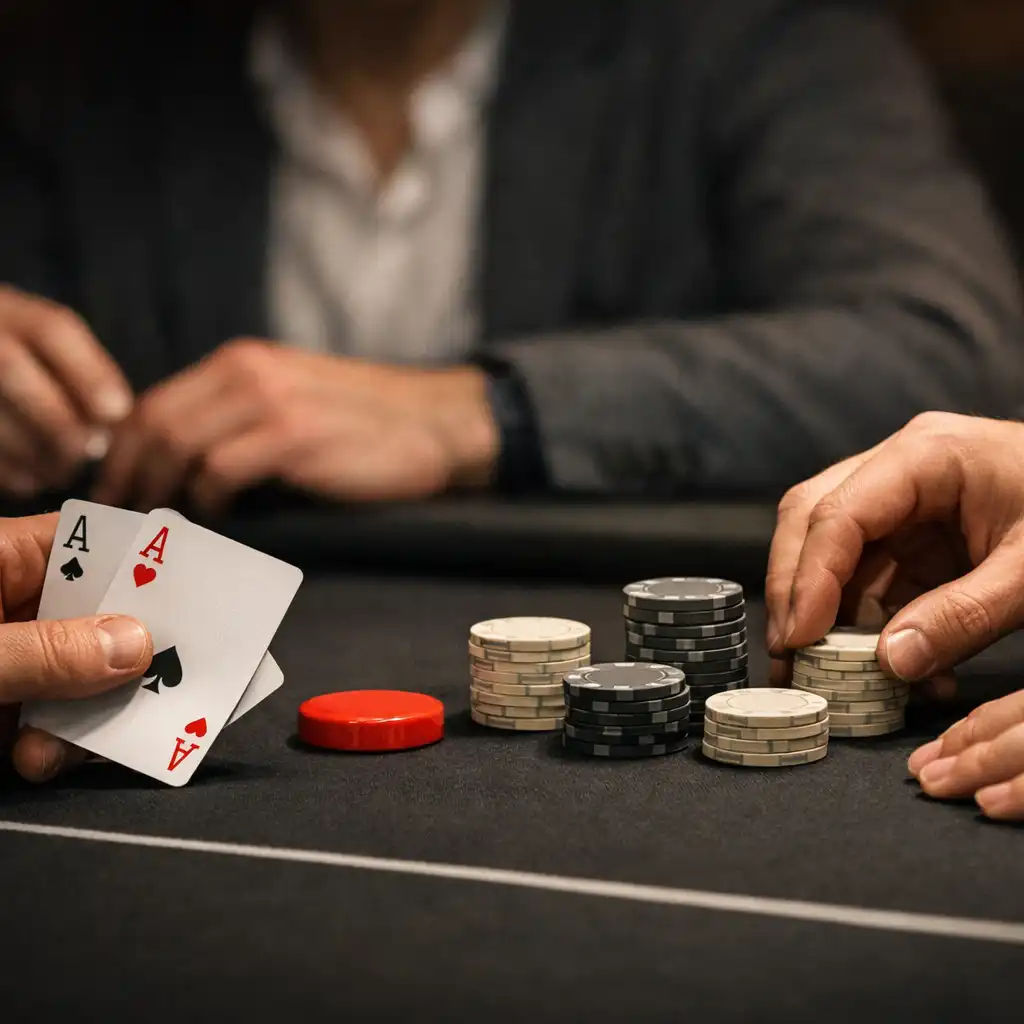
Hands holding physical cards beside chips on an on-site poker table
Physical cards and chips at an on-site table.
Table detail

The table is the point

The defining feature of an on-site poker experience is proximity. People, cards and chips occupy the same real table in the same room, so every moment is legible through presence: a hand reaching forward, a pause in conversation, the attention given to another participant. This is offline poker in the literal sense of being together in person. Observation and conversation belong to the setting alongside concentration, making the table a social object as much as a point of focus.

Contact

Visit the setting with a question

Contact The Grand Hearth for practical guidance about the restaurant setting, the menu story or physical on-site poker experiences. The contact route is the right place to ask about the relationship between dining, the card room, Texas Hold’em tournaments, high roller evenings and poker tables, without assuming a particular timetable or availability.

Phone
+61280156384
Address
18 Hearth Lane, Melbourne VIC 3000, Australia
Contact The Grand Hearth
On-site table experiences

Texas Hold’em tournaments, card room sessions, high roller evenings and poker tables described by The Grand Hearth refer to physical on-site table experiences, with people, cards and shared attention present in the venue.